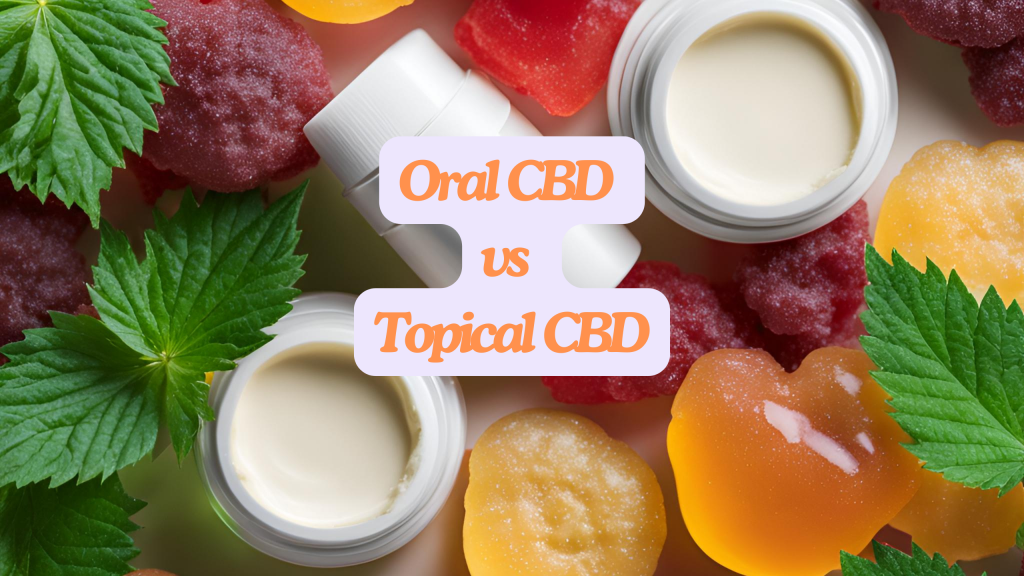
🧠 Oral vs. Topical CBD Creams: What’s the Difference?
| Feature | Oral CBD (oils, tinctures, edibles, capsules) | Topical CBD (creams, gels, sprays, patches) |
|---|---|---|
| Absorption | Enters bloodstream → systemic effect | Acts locally on skin/muscles with minimal systemic absorption |
| Ideal for | Whole-body effects—anxiety, sleep, chronic pain | Targeted relief—joint or muscle soreness, skin conditions |
| Safety Profile | Broader side effects (e.g. sedation, GI issues); possible drug interactions | Minimal systemic side effects; most common are mild skin irritation |
👵 Older Adults vs. 🏃 Athletes: Who Uses What?
Older Adults
- Typically use oral CBD to address pain, sleep disturbances, and anxiety—issues common with age.
- Because older adults often take multiple medications, they may prefer topical CBD for joint and muscle pain to avoid interactions.
- Many report using high-potency topical creams specifically formulated for severe arthritis and mobility issues.
Athletes & Active Users
- Athletes over 28 are among the top users of CBD, with over 40% reporting regular use—especially for recovery and inflammation relief.
- Topical CBD is particularly popular in this group due to its non-systemic nature, meaning there’s little concern over drug testing or sedation.
- A study of elite athletes using topical CBD twice daily over 6 weeks found improved joint function and less pain, with minimal side effects.
🧬 Why Potency Matters — And Why Only a Few Brands Offer It
One of the emerging challenges in both the topical and oral CBD markets is the lack of potency in many mainstream formulations.
Most topical CBD creams contain between 250mg to 1500mg of CBD per container, which may be suitable for mild to moderate use, but often falls short for chronic pain or athletic recovery.
Likewise, many oral oils max out around 1000–2000mg per bottle, which can be too low for users with higher tolerances or more severe conditions.
🧪 Quiet Monk CBD: A Case Study in High-Potency Formulas
Only a handful of companies have managed to break through that threshold and produce consistently high-potency CBD products.
Quiet Monk CBD is one example—known for producing topical creams with 10,000mg to 20,000mg of CBD, as well as oral oils with similar strength profiles.
These products are especially relevant for:
- Older adults with advanced arthritis or nerve pain
- Athletes requiring stronger formulations for post-workout recovery
- Users who have built up a CBD tolerance or require higher doses
Producing CBD products at this concentration requires precise formulation, reliable sourcing, and stable emulsification—something not all brands can deliver effectively.
It’s worth noting that high-potency CBD doesn’t automatically mean better, but for specific use cases, it can offer meaningful relief where standard strengths fall short.
📊 Age & Usage Trends
- 18–25-year-olds: Use CBD less frequently; when they do, it’s usually in oral forms like edibles or vapes.
- 30+: CBD use increases, especially for pain, stress, and sleep.
- 55+: Higher use of topicals and tinctures; lower interest in edibles or vapes.
✅ Key Takeaways
- Oral CBD offers systemic benefits but can have broader effects and interact with other medications.
- Topical CBD is a safer option for localized relief, especially popular among older adults and athletes.
- High-potency products, like those made by Quiet Monk CBD, are rare but important for users with significant needs—offering strength and relief where mainstream products might not.
- Age and lifestyle strongly influence CBD preferences—topicals for pain and movement; orals for mood, sleep, and inflammation.